12 Klaviyo Settings Quietly Costing You Email Sales
Most email advice sounds the same. Send on Tuesday. Use emojis. Segment your list. All perfectly sound, and we'd tell you the same.
But that's not what's costing you money. That's sitting in your Klaviyo account right now, being quietly unhelpful. Settings that came switched on by default. Dashboard numbers that lie with a straight face. Automations that think they're doing you a favour.
We find these every single time we audit an account. Here are twelve, and how to fix each one.
1. Your open rate is not real
Since 2021, Apple has been quietly opening your emails for people. If someone uses the Apple Mail app, Apple loads your email in the background before they ever look at it. Klaviyo counts that as an open.
So when your dashboard says 50%, the number of actual humans who opened it is probably closer to 25 or 30%.
What to do: stop judging a campaign by its open rate. Look at clicks and revenue instead. Those can’t be faked by a phone.
2. Roughly half of all “opens” are machines, not people
Apple Mail makes up somewhere between 47% and 58% of all email opens right now. That’s the scale of the problem in point one. More than half the engagement in your reports may not be a person at all.
3. Your “engaged” list probably isn’t engaged
Klaviyo builds that segment from anyone who “opened or clicked” recently. But since fake opens count, your engaged list is full of people who have never once read an email from you.
You think you’re sending to your best customers. You’re sending to a crowd that isn’t listening, which drags down everything else.
What to do: rebuild that segment around people who clicked, visited your site, or bought something. Drop opens from the definition entirely.
4. Klaviyo is blocking some of your best emails without telling you
There’s a setting called Smart Sending that’s switched on by default. It stops anyone from getting more than one email in a 16 hour window.
Sounds helpful. But during a busy sale period when you’re sending daily, it means your automated emails (abandoned cart, welcome, post-purchase) get skipped for the people who are shopping most. Those are your highest earning emails per send, and they’re being held back.
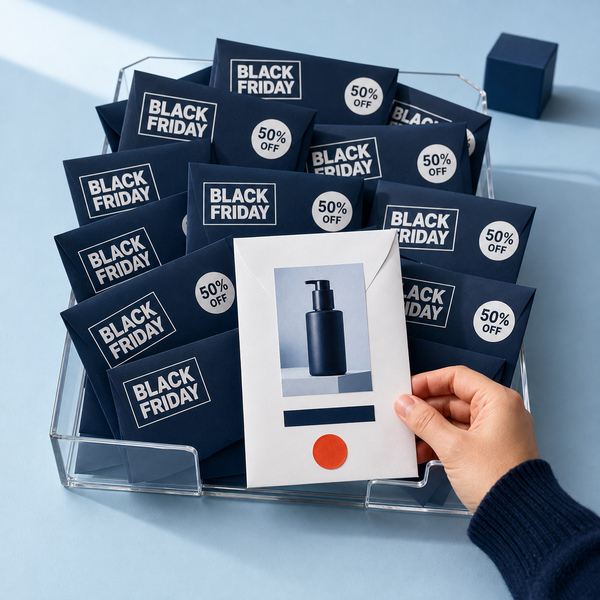
What to do: turn Smart Sending off for your money-making automations, or shorten the window to a few hours. Do this before Black Friday.
5. Klaviyo may be underreporting how much money email makes you
Klaviyo only credits a sale to email if the purchase happens within five days of a click. That’s fine if you sell a $30 candle. It’s a problem if you sell a $900 sofa, because people take longer to decide.
If your product costs more than a couple hundred dollars, email is almost certainly doing more for you than your reports show.
What to do: widen that window to seven days in your account settings and watch your email revenue number go up.
6. Most abandoned cart emails go out far too late
A good abandoned cart series brings back 20 to 25% of people who left. The average brand gets 8 to 12%.
The difference usually isn’t the writing or the design. It’s that most brands wait four hours (sometimes a full day) to send the first one. By then the moment has passed and they’ve bought elsewhere or moved on.
What to do: send the first one within an hour or two. This is a five minute change and it often doubles what that email brings back.
7. Adding a text message to your abandoned cart lifts recovery by 30 to 60%
Not 5%. Thirty to sixty.
The reason is simple. Someone who just abandoned a cart is holding their phone. A text lands right where they already are. An email asks them to go open another app.
What to do: add one short SMS about half an hour after someone abandons, alongside the email you’re already sending.
8. Some abandoned carts never reach Klaviyo at all
Klaviyo tracks “added to cart” through a small script in the customer’s browser. Ad blockers and iPhone privacy settings block that script. When they do, the event never registers, the email never sends, and you never find out.
Your dashboard just shows fewer abandoned carts. It looks like less abandonment. It’s actually blindness.
What to do: ask your developer or agency about server-side tracking. Brands who fix this often see double the abandoned cart activity coming through, and the revenue that comes with it.
9. That little verified logo in Gmail can lift opens by 10 to 21%
You’ve seen it. Some brands have a small circular logo next to their name in the inbox. It’s called BIMI, and it signals to the recipient that you’re verified and legitimate.
Google’s own figures put the open rate lift at 10%. Independent research puts it as high as 21%. Nearly half of consumers surveyed said they’d pick one brand over another based on seeing it.
What to do: it takes some setup with your domain records and a certificate, but once it’s live it works forever. Worth asking your agency to price it out.
10. Your unsubscribe link might be quietly hurting you
Since mid-2024, Gmail and Yahoo require that people can unsubscribe in one click, straight from the inbox. No landing page, no form, no login.
If yours takes more clicks than that, people hit the spam button instead. And spam complaints do far more damage than unsubscribes ever will.
What to do: send yourself a test email from your own account and try unsubscribing from it. If it takes more than one click, get it fixed.
11. Klaviyo will step in and throttle you if things get bad enough
Klaviyo gives every account a deliverability score out of 100. If yours falls below 50, Klaviyo automatically restricts who you’re allowed to email, starting with only your most recent openers and slowly widening as you recover.
That’s the platform doing a re-warm on your behalf. The catch is that by the time it kicks in, you’ve already lost weeks of revenue you couldn’t explain.
What to do: go look at your score today. Above 90 is healthy. Below 75 means keep an eye on it. Below 50 means it’s already happening to you.
12. One bad send can affect every send after it
Gmail allows up to three spam complaints per thousand emails. Go over that on a single campaign, not a monthly average, a single campaign, and Gmail starts filtering you from then on.
Which means one aggressive Black Friday blast to your whole list can cost you December.
What to do: check your spam complaint rate campaign by campaign, not monthly. If one send spikes, pause and let things settle before the next one.
The thing these all have in common
Almost none of this is about writing better emails. It’s about settings you inherited when your account was first set up, and rules that have changed since.
Nobody sat you down and explained any of it, because it isn’t anybody’s job to. Which is exactly why it’s worth an hour of your time to go look.
That’s the audit we do at EcommIQ. If any of these made you want to open your account and check something, that’s the conversation.